
Financial records are rarely the most exciting part of running a business. When customers need attention, projects are moving, and employees are asking questions, organizing receipts can quickly fall to the bottom of the priority list...

Aug 6, 2026
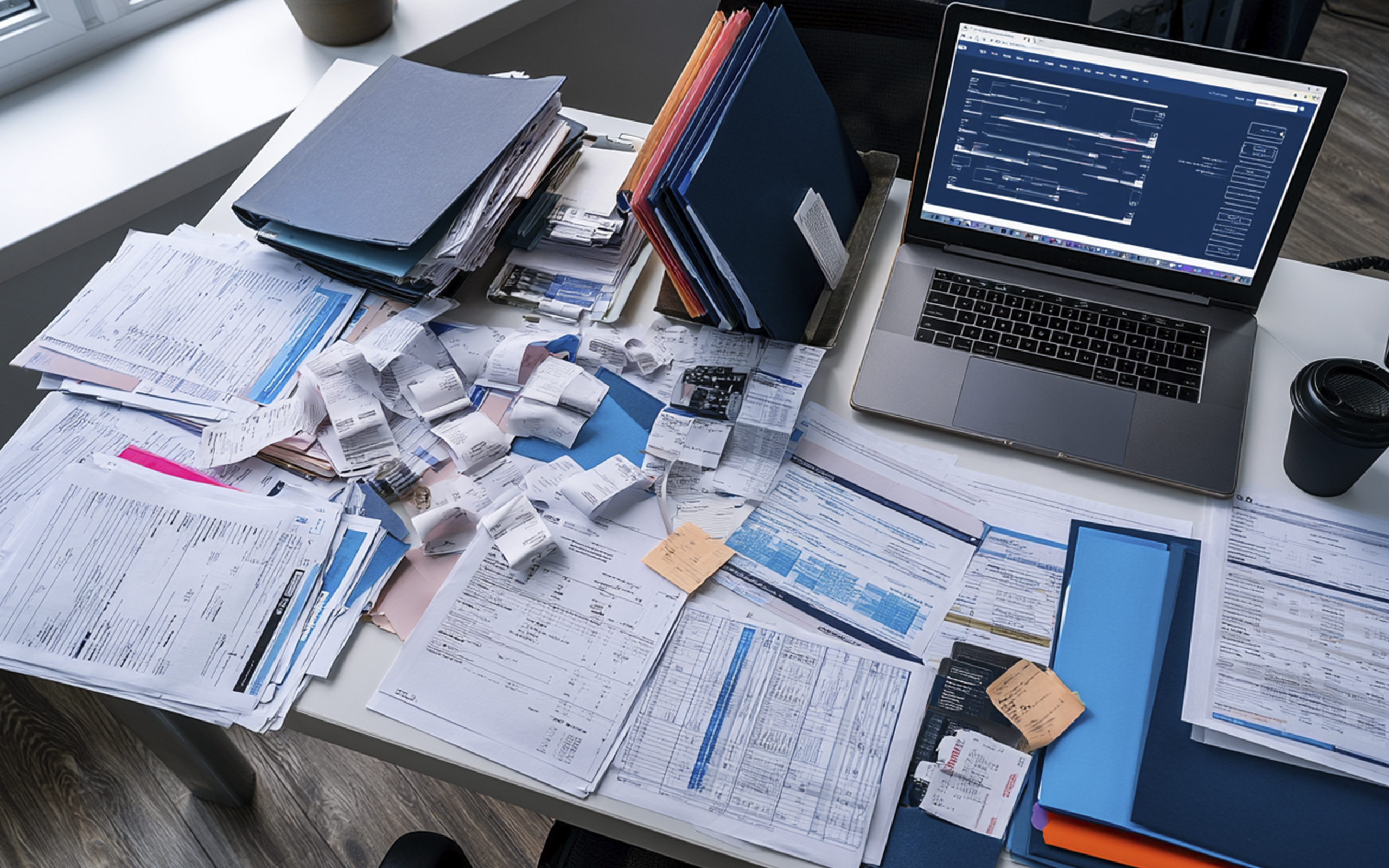
Financial records are rarely the most exciting part of running a business. When customers need attention, projects are moving, and employees are asking questions, organizing receipts can quickly fall to the bottom of the priority list.
But reliable financial records are not just about staying organized for tax season. They give you a clearer understanding of your business, help you make confident decisions, and make it easier to respond when your accountant, lender, or the Canada Revenue Agency asks for information.
The good news is that you do not need an overly complicated system. You need a consistent one.
Here is how to build a financial record system that supports your business today and continues working as your business grows.
A financial record system is the process your business uses to collect, organize, store, review, and protect its financial information.
Your system may include:
• Customer invoices
• Supplier bills
• Sales receipts
• Bank and credit card statements
• Payroll records
• Expense reports
• Loan documents
• Contracts and agreements
• GST/HST information
• Asset purchase and disposal records
• Government correspondence
• Financial statements
• Corporate tax documents
The CRA requires businesses to maintain records that support their reported income and expenses. Records can include invoices, agreements, statements, vouchers, images, electronic files, and other documentation connected to a transaction.
A reliable system makes these records easy to find, understand, and connect to the appropriate transaction.
Organized records make tax preparation easier, but their value goes much further.
Better Business Decisions
Accurate financial information helps you answer important questions:
• Is revenue increasing?
• Which products or services are most profitable?
• Are expenses growing faster than sales?
• Can the business afford new equipment or another employee?
• Is there enough cash available to cover upcoming obligations?
When records are incomplete or months behind, business owners are forced to make decisions using assumptions. A current record system replaces those assumptions with useful information.
More Efficient Tax Preparation
When documents are consistently categorized and stored, your accountant spends less time searching for missing information and correcting avoidable errors.
A reliable system also helps ensure that legitimate business expenses are properly documented rather than forgotten, misplaced, or excluded from the return.
Stronger Cash Flow Management
Profit and cash flow are not the same thing. A business may have strong sales while still struggling to pay its bills because customers have not paid their invoices or expenses are coming due too quickly.
Current records allow you to monitor accounts receivable, upcoming payments, tax obligations, and available cash before they become urgent problems.
Easier Financing and Planning
Banks and lenders may request financial statements, tax returns, cash flow information, or supporting documents when reviewing a financing application.
A dependable financial record system helps you respond quickly and demonstrates that the business is being managed responsibly.
1. Choose One Central Accounting System
Your accounting software should act as the central source of financial information for your business.
Avoid tracking sales in one spreadsheet, expenses in another, and customer payments somewhere else. The more disconnected systems you use, the greater the risk of duplicate entries, missing information, and inconsistent reporting.
Your accounting system should ideally connect with:
• Business bank accounts
• Business credit cards
• Invoicing tools
• Payroll software
• Receipt-management applications
• Payment-processing platforms
Automation can reduce manual data entry, but it should not replace regular review. Transactions still need to be categorized correctly, matched with supporting documents, and checked for errors.
2. Keep Business and Personal Transactions Separate
One of the simplest ways to improve your records is to maintain separate business bank accounts and credit cards.
Mixing personal and business spending creates unnecessary confusion. It can make bookkeeping more time-consuming, increase the likelihood of missed deductions, and make it difficult to understand the actual financial performance of the business.
When a personal purchase is accidentally made with a business card—or the other way around—document it and correct the transaction promptly. Do not leave it unresolved until year-end.
3. Create a Consistent Document Structure
Whether your documents are stored digitally, physically, or through a combination of both, they should follow a clear structure.
A digital folder system might look like this:
2026 Financial Records
• Banking
• Credit Cards
• Customer Invoices
• Supplier Bills
• Expense Receipts
• Payroll
• GST/HST
• Loans and Financing
• Assets and Equipment
• Government Correspondence
• Contracts
• Year-End Documents
Within each category, create monthly or quarterly folders as needed.
Use consistent file names that explain what each document contains. For example:
2026-07-15_ABC-Supplies_Equipment_1,250.pdf
This is much easier to identify than a file named:
IMG_8472.pdf
A good file name generally includes the date, supplier or customer, document type, and amount.
4. Develop a Routine for Capturing Documents
A record system only works when information consistently enters it.
Create a simple process for receipts and documents as soon as they are received. This could include:
• Forwarding emailed receipts to a dedicated bookkeeping address
• Uploading paper receipts through a mobile application
• Saving supplier invoices directly to the appropriate folder
• Recording cash purchases immediately
• Attaching documents to transactions within your accounting software
Ask employees to follow the same process. Set clear expectations for when receipts and expense reports must be submitted.
Leaving documents in vehicles, wallets, email inboxes, or desk drawers increases the chance that they will be lost or forgotten.
5. Reconcile Accounts Regularly
Bank reconciliation compares the transactions recorded in your accounting system with the transactions appearing on your bank or credit card statement.
This process can uncover:
• Missing transactions
• Duplicate entries
• Incorrect amounts
• Unrecorded bank fees
• Customer payments applied to the wrong invoice
• Unauthorized or suspicious charges
• Outstanding cheques
• Deposits that were not recorded properly
For most businesses, bank and credit card accounts should be reconciled at least monthly. Businesses with a high volume of transactions may benefit from weekly reviews.
Waiting until year-end can turn a manageable discrepancy into hours of investigation.
6. Establish Basic Financial Controls
Even small businesses benefit from basic internal controls.
Internal controls are procedures designed to reduce mistakes, protect assets, and lower the risk of fraud.
Depending on the size of your team, these controls could include:
• Requiring approval for purchases above a certain amount
• Limiting access to banking and accounting systems
• Reviewing changes to supplier payment information
• Separating invoice approval from payment processing
• Reviewing payroll before it is submitted
• Comparing actual expenses with the approved budget
• Requiring supporting documents for reimbursements
• Reviewing accounts receivable and overdue invoices regularly
For very small businesses, completely separating every financial responsibility may not be possible. Owner oversight becomes especially important in these situations.
7. Protect and Back Up Your Records
Financial records may contain banking details, employee information, customer data, and other sensitive information. Access should be limited to the people who genuinely require it.
Use safeguards such as:
• Strong, unique passwords
• Multi-factor authentication
• Role-based user permissions
• Secure cloud storage
• Encryption
• Locked filing cabinets
• Regular software updates
• Secure document-destruction procedures
Canadian privacy guidance recommends using physical, technological, and organizational safeguards to protect personal information from loss, theft, and unauthorized access or disclosure.
Electronic records should also be backed up. The CRA recommends maintaining proper backup copies, preferably at a location other than the primary business location. Records must remain accessible and readable if requested.
Do not assume that syncing a folder automatically creates a complete backup. Confirm that deleted, damaged, or corrupted files can be recovered.
8. Create a Record-Retention Schedule
Not every document should be kept forever, but records should not be destroyed prematurely.
Generally, the CRA requires businesses to retain records and supporting documents for six years from the end of the last tax year to which they relate. Certain records involving property, share registries, or historical information that may affect the sale, liquidation, or wind-up of a business may need to be retained indefinitely.
A written retention schedule should identify:
• What records are being stored
• Where they are stored
• How long they must be retained
• Who is responsible for managing them
• How they will be securely destroyed
Before destroying older records, speak with your accountant. Retention requirements can vary based on the document, transaction, business structure, unresolved tax matter, or legal situation.
Consistency is more valuable than complexity. A short monthly routine can prevent financial administration from becoming overwhelming.
At the end of each month:
1. Upload outstanding receipts and invoices.
2. Confirm all customer payments have been recorded.
3. Review unpaid customer invoices.
4. Enter or approve supplier bills.
5. Reconcile bank and credit card accounts.
6. Review payroll records and remittances.
7. Check GST/HST amounts.
8. Review unusual or uncategorized transactions.
9. Compare actual results with your budget.
10. Back up important documents.
11. Review cash available for upcoming expenses.
12. Send required information to your bookkeeper or accountant.
Schedule this review as a recurring appointment. Treating it like any other important business commitment makes it more likely to happen.
Common Record-Keeping Mistakes to Avoid
Even businesses with good intentions can develop unreliable records. Some of the most common problems include:
Waiting Until Tax Season
Reconstructing an entire year of activity creates stress and increases the likelihood of errors. Record keeping should be an ongoing business process, not an annual emergency.
Saving Receipts Without Context
A receipt may show where money was spent, but it does not always explain why the purchase was business-related. Add notes for meals, travel, mixed-use purchases, and unusual expenses while the details are still fresh.
Giving Too Many People Full Access
Employees should have access only to the financial information and functions required for their roles. Review access permissions when responsibilities change or an employee leaves.
Failing to Review Automated Transactions
Automation makes bookkeeping faster, but incorrect rules can repeatedly categorize transactions in the wrong account. Review automated entries regularly.
Ignoring Small Discrepancies
A minor unexplained difference may point to a larger process problem. Investigate discrepancies before they become harder to trace.
Using Reports That Are Months Behind
Financial reports are most valuable when they reflect the current condition of the business. Falling several months behind limits their usefulness for cash flow management, planning, and decision-making.
A reliable financial record system is more than a collection of receipts and spreadsheets. It is part of the foundation of a financially healthy business.
The right system should help you:
• Understand where your money is coming from
• See where it is being spent
• Stay prepared for tax obligations
• Identify cash flow concerns early
• Produce accurate reports
• Make informed business decisions
• Spend less time searching for documents
You do not need to transform your entire process overnight. Start by separating your accounts, choosing one central accounting system, creating a document routine, and reviewing your records monthly.
Small improvements made consistently can create a much clearer financial picture.
Reliable records support better conversations, better planning, and better business decisions.
Stoutenberg and Company provides accounting, bookkeeping, tax, and financial advisory support tailored to Alberta businesses. Our team can help you strengthen your bookkeeping processes, understand your financial information, and create a system that supports both compliance and long-term growth.
Contact Stoutenberg and Company to discuss your current financial record system and learn where it could be improved.
This article provides general information and should not be considered individualized accounting, tax, legal, or privacy advice. Requirements may vary depending on your business and circumstances.

Chartered Professional Accountants.
Positivity. Support. Trust.


© 2025 Stoutenberg & Company. All Rights Reserved.
Website Managed & Built By
Rocket Grid Marketing